
Jute
-
Posted: June 22, 2026Tags: #tradeshowgiveaways, #sustainableevents, #reusableshoppingbags, #reusablebags, #promotionalproducts, #jutebags, #greenmarketing, #eventswag, #eventmarketing, #ecofriendlygiveaways, #ecofriendlybusiness, #customtotebags, #custombags, #cottontotebags, #corporateevents, #conferencegiveaways, #carrygreen
 Read more »
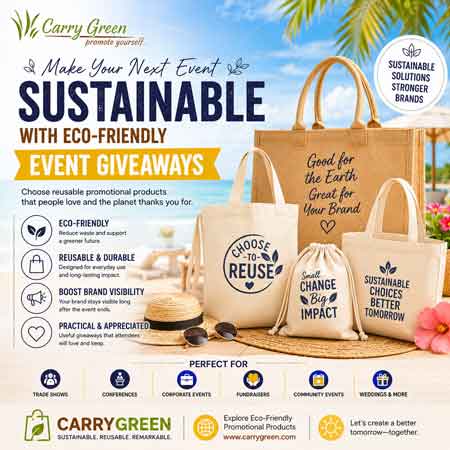
In today's environmentally conscious marketplace, businesses are looking beyond traditional promotional products and embracing eco-friendly event giveaways that align with their sustainability goals. Whether you're organizing a trade show, corporate conference, fundraising event, university orientation, community festival, or product launch, sustainable giveaways can help your brand stand out while reducing environmental impact.
Consumers increasingly prefer brands that demonstrate environmental responsibility. Choosing reusable and sustainable promotional products not only reduces waste but also creates a positive brand image that resonates with modern audiences.
At CarryGreen, we specialize in eco-friendly promotional bags and reusable products that help businesses create
-
Posted: June 09, 2026Categories: Products, Jute, Cotton Bags, Non-Woven Bags, Reusable Bags, Personalized Bags, Wine Totes, Beach Bags
 Read more »
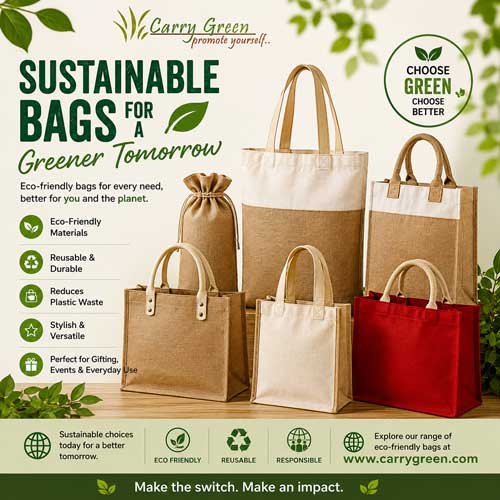
Sustainable Packaging Ideas for Eco-Conscious Businesses
As consumers become increasingly aware of environmental issues, businesses are under growing pressure to adopt sustainable practices. One of the most effective ways companies can reduce their environmental footprint is by implementing sustainable packaging solutions. Eco-friendly packaging not only helps protect the environment but also enhances brand image, attracts environmentally conscious customers, and supports long-term business growth.
At CarryGreen (www.carrygreen.com), we believe sustainable packaging is more than a trend—it's a commitment to a greener future.
Why Sustainable Packaging Matters
Traditional packaging materials, especially single-use plastics, contribute significantly to pollution and landfill waste. Sustainable packaging focuses on reducing waste, conserving resources, a
-
Posted: May 05, 2026Categories: Products, Jute, Cotton Bags, Non-Woven Bags, Reusable Bags, Personalized Bags, Wedding, Beach BagsTags: wedding gift bags, reusable wedding bags, reusable favor bags for weddings, personalized wedding favors, jute wedding bags, eco-friendly wedding favors, destination wedding favors, custom tote bags, custom printed wedding bags, cotton tote wedding favors, carrygreen eco bags, bulk wedding favor bags wholesale
 Read more »
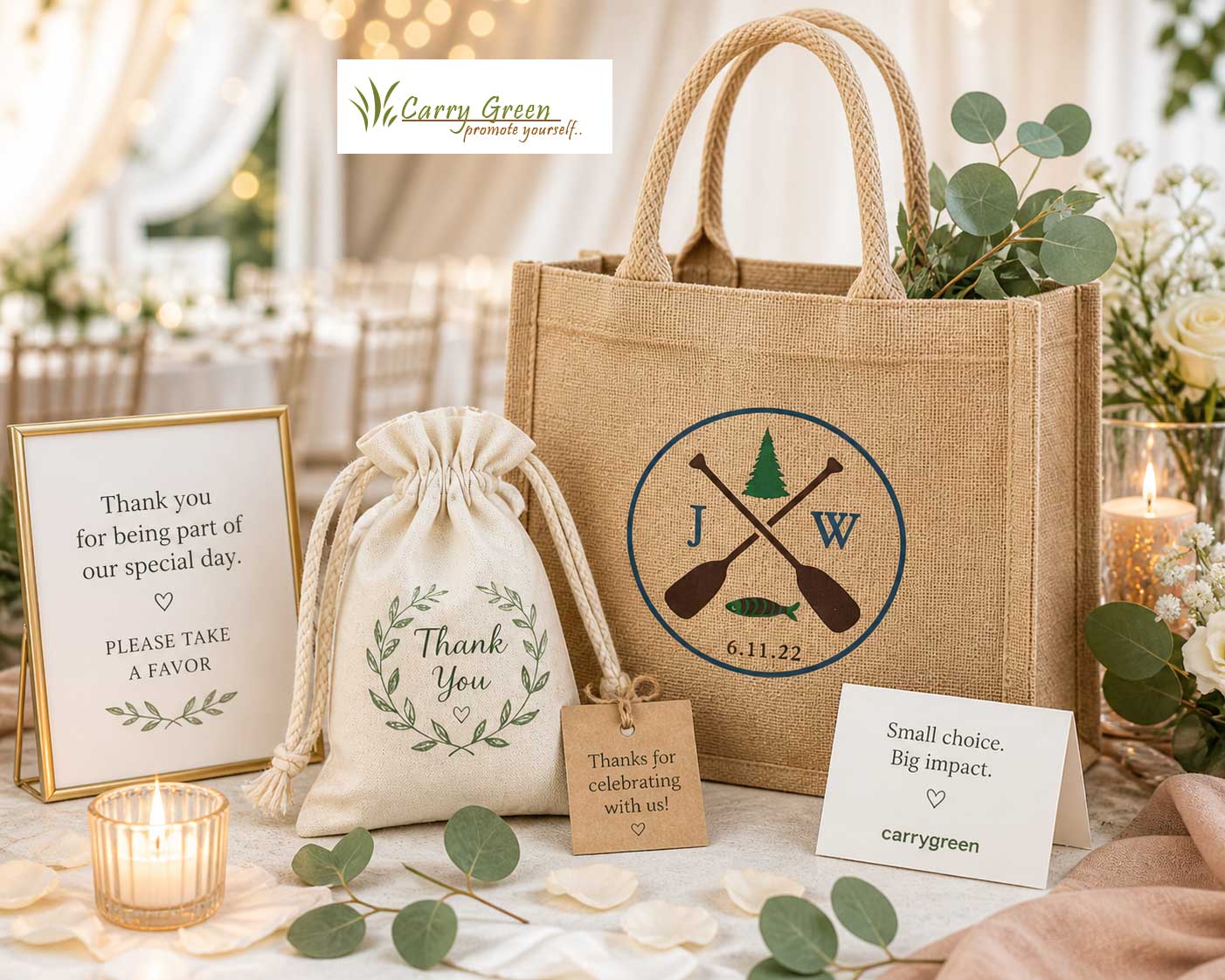
Sustainable Wedding Favor Bags: A Thoughtful & Eco-Friendly Choice for Modern Weddings
Weddings today are evolving beyond just beautiful décor and memorable experiences—they’re also becoming more conscious of sustainability. One of the easiest ways to make your celebration eco-friendly is by choosing sustainable wedding favor bags. These bags are not only stylish and practical, but they also reflect a commitment to reducing waste while giving guests something they’ll actually use.
Whether you’re planning an intimate ceremony or a large celebration, incorporating reusable and eco-friendly bags into your wedding favors can leave a lasting impression.
Why Choose Sustainable Wedding Favor Ba
-
Posted: April 17, 2026
 Read more »
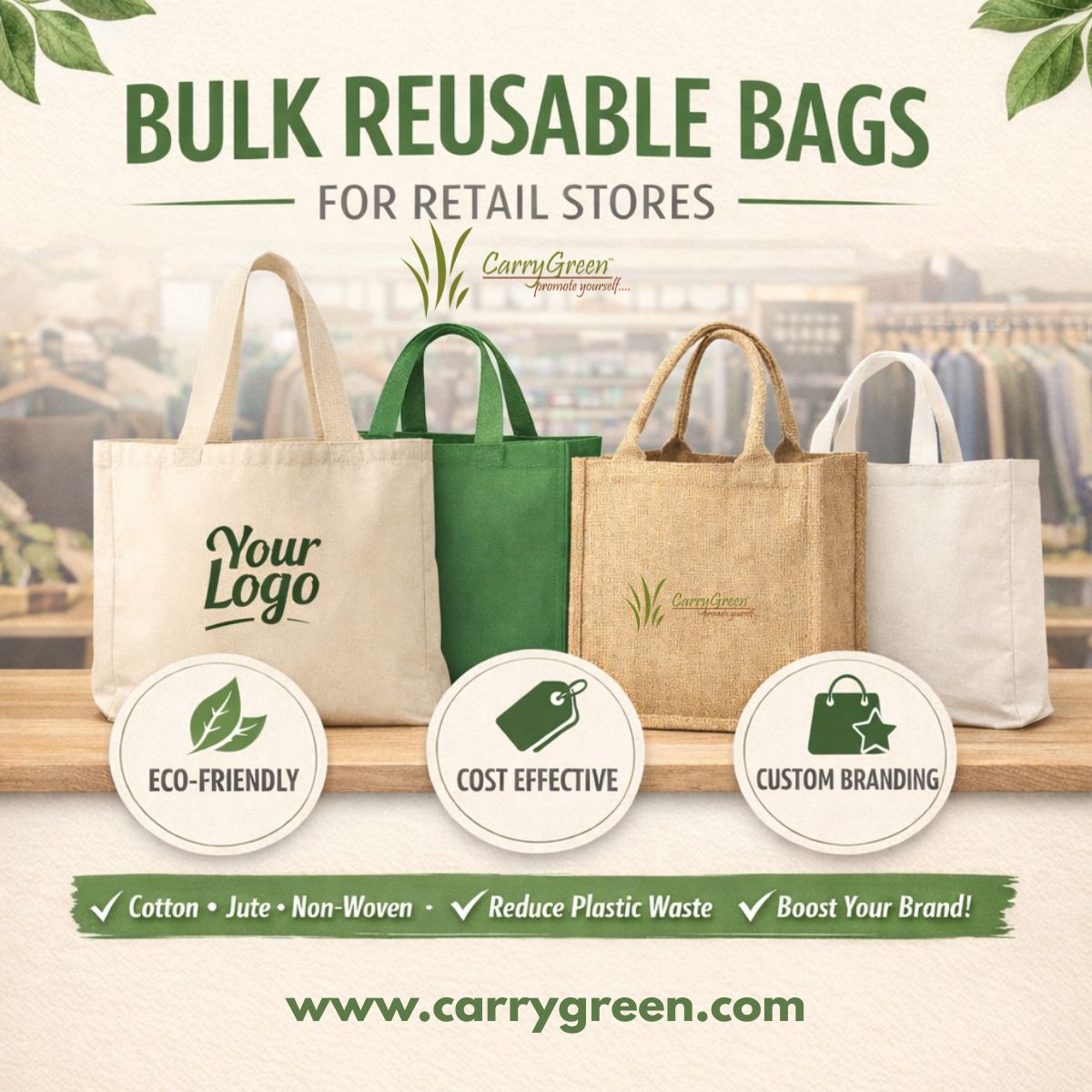
Bulk Reusable Bags for Retail Stores: A Smart, Sustainable Choice
In today’s retail environment, sustainability is no longer optional it’s expected. Customers are becoming more conscious of how their purchases impact the environment, and businesses are responding by adopting eco-friendly practices. One of the simplest yet most effective changes retail stores can make is switching to bulk reusable bags.
Reusable bags are not just a replacement for plastic they are a powerful tool for branding, cost savings, and customer satisfaction. Whether you run a boutique, grocery store, or large retail chain, investing in wholesale reusable shopping bags can transform how your business ope
-
Posted: March 31, 2026
 Read more »
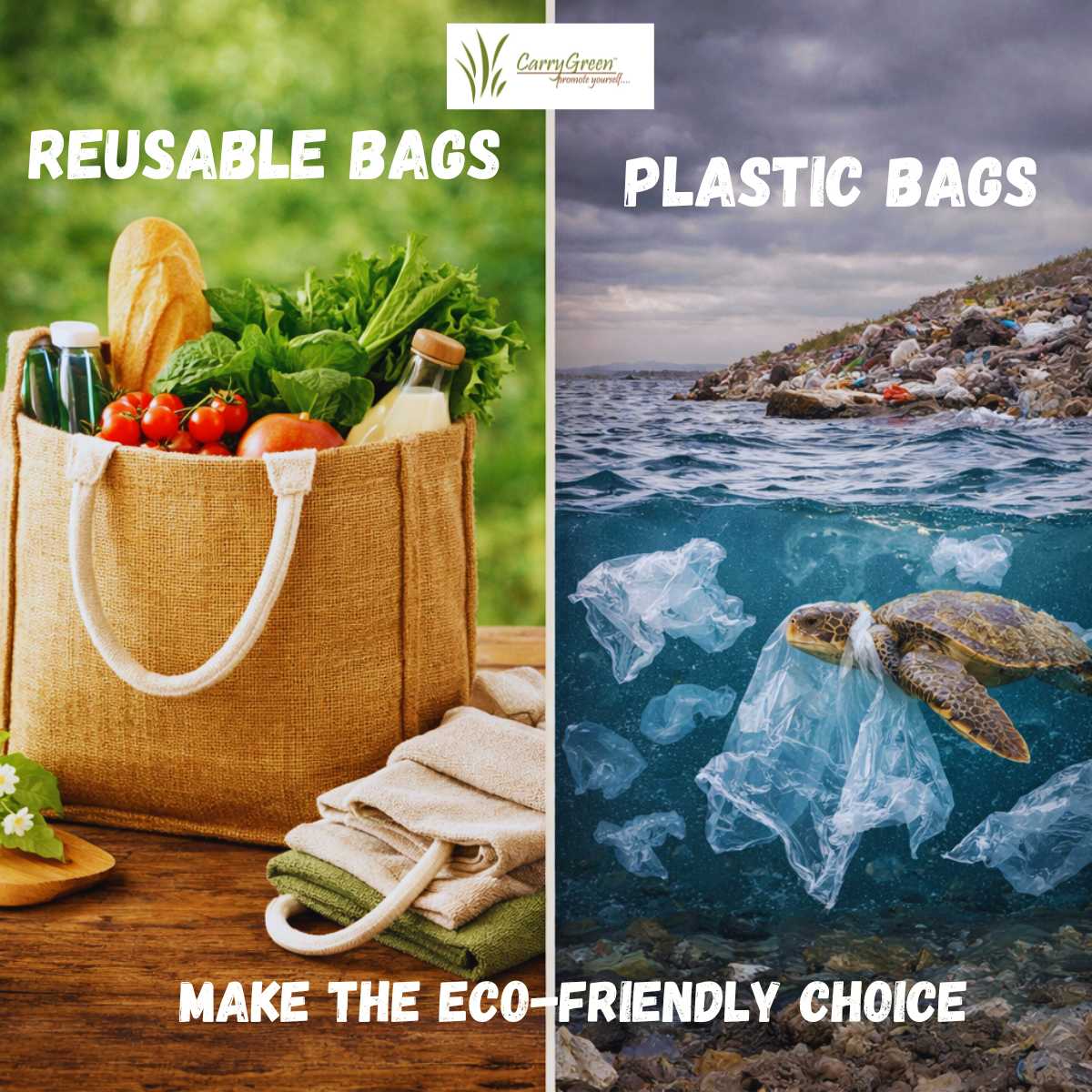
Reusable Bags vs Plastic Bags: Why Making the Switch Matters in 2026
In today’s world, sustainability is no longer just a trend it’s a necessity. As consumers and businesses become more environmentally conscious, the debate between reusable bags vs plastic bags has taken center stage. If you’ve ever wondered “Are reusable bags really better than plastic bags?”- the answer is a clear yes.
At CarryGreen, we specialize in eco-friendly reusable bags that are not only stylish and durable but also help reduce environmental impact. Let’s break down why switching to reusable bags is one of the smartest decisions you can make in 2026.
What Are Plastic Bags and Why Are They a Problem?
Plastic bags have been widely used for decades because they are cheap, lightweight, and convenient. However, their environmental cost is extremely high.
Key Issues with Plastic Bags:
-
Posted: March 16, 2026Read more »
Why Jute Bags Are Becoming the Preferred Wedding Favor Over Small Trinkets
Weddings are about creating beautiful moments and memories that last
-
Posted: February 18, 2026
 Read more »
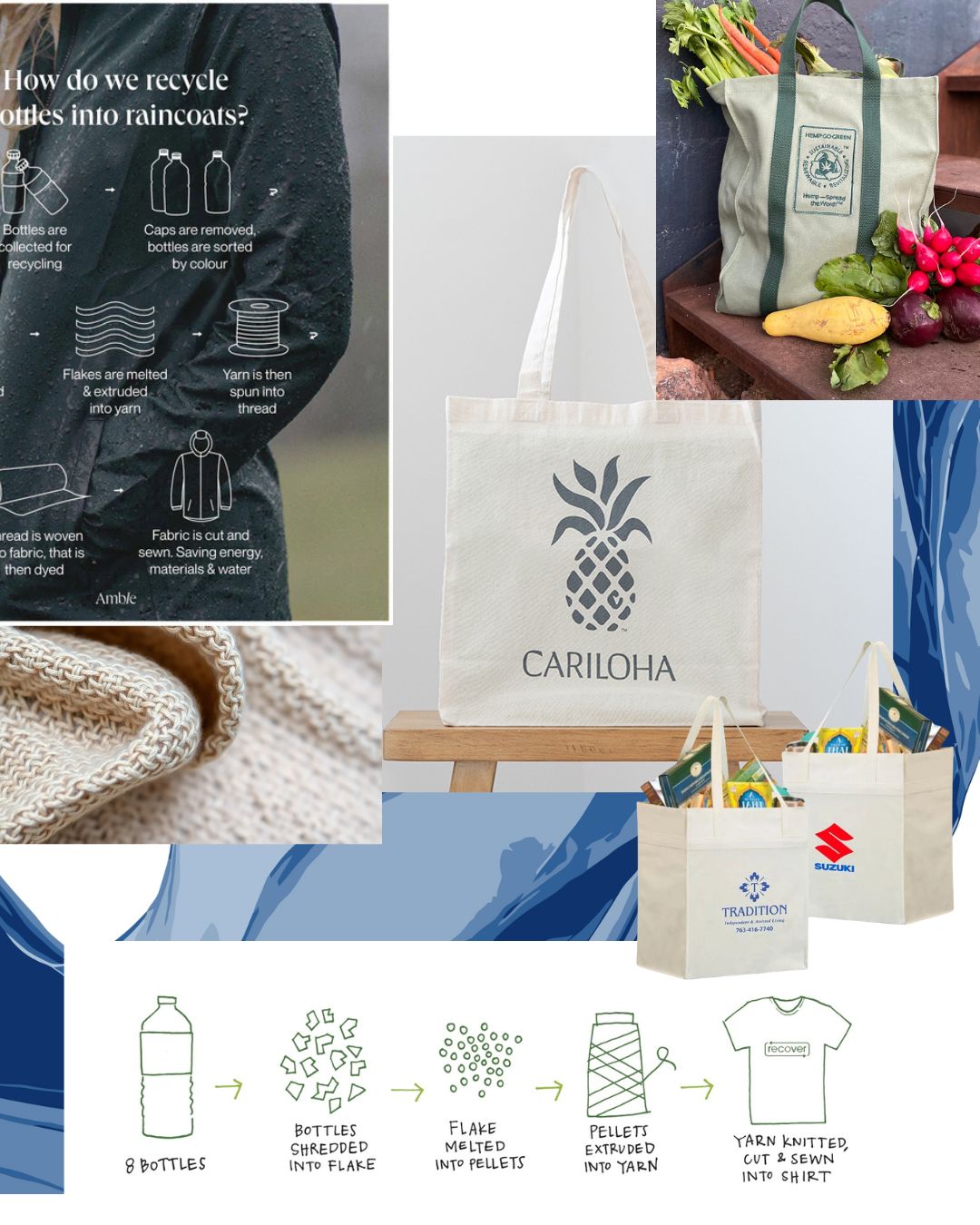
Bamboo, Hemp, Recycled PET & Organic Cotton: Pros & Cons of Popular Eco-Friendly Bag Materials
As more businesses and consumers shift toward sustainability, choosing the right eco-friendly material matters more than ever. Whether you're sourcing reusable shopping bags, promotional tote bags, or custom branded packaging, understanding the pros and cons of materials like bamboo, hemp, recycled PET (rPET), and organic cotton can help you make a smarter choice.
At CarryGreen, we specialize in sustainable
-
Posted: January 30, 2026
 Read more »
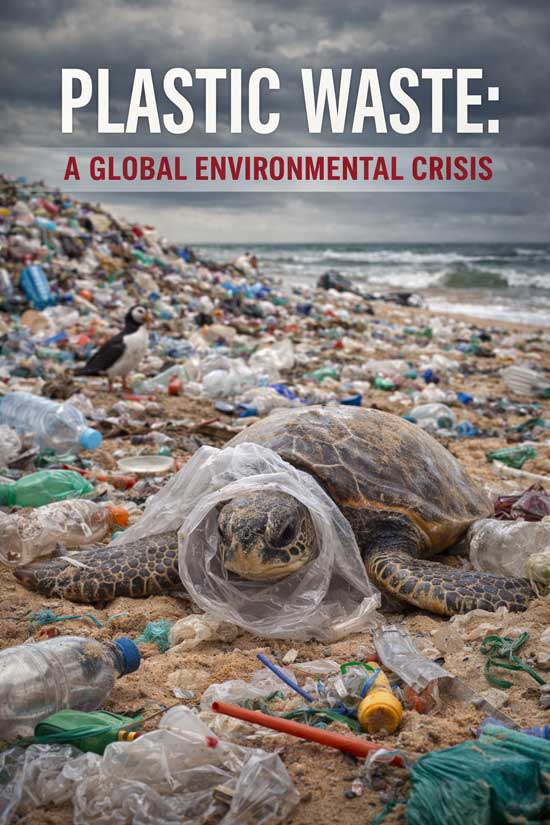
Plastic Waste: A Global Environmental Crisis Plastic pollution is one of the most pressing environmental issues today. Disposable plastic bags—used briefly but lasting centuries clog oceans, fill landfills, and threaten wildlife. As the world seeks sustainable solutions, reusable bags emerge as a simple yet powerful tool to combat plastic waste.
The Hidden Cost of Disposable Plastic Bags Though convenient, plastic bags come with severe consequences:
-
Used for minutes, but take hundreds of years to decompose.
-
Break down into microplastics, contaminating soil, water, and food.
-
Harm marine life and wildlife that mistake them for food.
-
Clog drainage systems and contribute to urban flooding.
-
Depend on fossil fuels, increasing carbon emissions.
-
Have extremely low recycling rates.
Why Reusable Bags M
-
-
Posted: April 29, 2025
 Read more »
As people become more aware of sustainability, small jute bags are gaining popularity as a stylish and eco-friendly choice. Whether for gifts, cosmetic shops, or clothing stores, these reusable bags combine usefulness, charm, and environmental care.Environmental Benefits of Jute
Jute, known as the "golden fiber," is a biodegradable material that breaks down in 1 to 2 years, unlike plastic, which lingers for centuries. Grown mainly in India and Bangladesh, it needs little pesticide or fertilizer, making its cultivation eco-friendly. Jute plants also absorb large amounts of carbon dioxide, improving air quality.Durability and Reusability
Jute bags are renowned for their strength and durability. The robust fibers can withstand substantial weight, making them ideal for carrying various items, from cosmetics to clothing accessories . Their reusability not only reduces the need for single-use plastic bags but also offers long-term
-
Posted: April 22, 2025Categories: Products, Jute, Cotton Bags, Non-Woven Bags, Reusable Bags, Personalized Bags, Promotional Items
 Read more »
Celebrate Earth Day with Reusable & Recyclable Bags from CarryGreen
Every year on April 22, we celebrate Earth Day—a special day to remind us how important it is to take care of our planet. It’s a time to think about how we live and what small changes we can make to help protect the Earth for future generations.
Why Earth Day Matters
Our planet provides everything we need—clean air, water, and resources to live comfortably. But pollution, waste, and deforestation are harming the environment. Earth Day encourages everyone to make simple changes to reduce their impact and help restore nature.Easy Ways to Help
Choose Reusable Bags & Totes – Plastic bags end up in landfills and oceans, causing harm to wildlife. Instead, switch to reusable bags and recyclable totes to cut down on plastic waste.Go for Eco-Friendly Products – From