
Jute
-
Read more »
Many of us are thinking differently about the Earth - for example, Burlap makes an environmentally-friendly and great weed barrier. This natural and inexpensive jute fiber material provides months of protection against gradual degrade and weeds while adding nutrients to the soil when it decomposes. It is economical and easy to use.
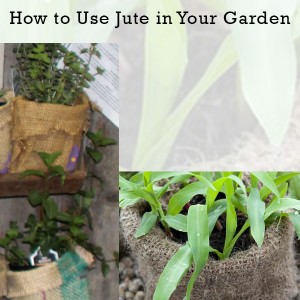
When scattering out the seeds, you can lay a strip of burlap on the ground and make holes through the fabric in which you can place your seeds. Permeable burlap also acts as mulch in order to keep the soil moist and warm. You can also cover this permeable fabric with traditional mulch if you do not like its look on top of the ground.
Anyone can build
-
Posted: January 15, 2015Read more »
Top 5 Ecofriendly Alternatives for Plastic
Plastic is so ingrained in our daily lives that it is difficult to imagine without them. They are everywhere. They are durable, long lasting and have become a seemingly ubiquitous part of our national culture.
There is couple of ecofriendly alternatives to plastics. Here are some most common alternatives.
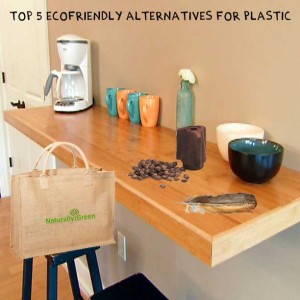
Glass: We are so much used to plastic water bottles and milk bottles on our kitchen counters. Unlike plastic, glass is made from sand. This renewable source contains no chemicals that can leach into your food or body. And it's easily recycled. Sure, glass is a breakable material but it won't l
-
Read more »
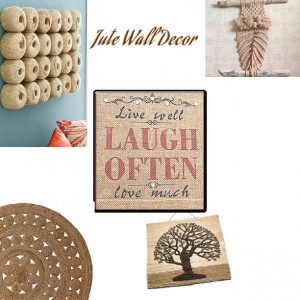
The main reason for putting up a wall decor is to add to the interior décor of houses, offices and different other places. Some common examples of these decorations are tapestries, wall decor, art works and mirrors which are made of jute fibers. Furthermore, handmade products are gaining more importance with each passing day. Since jute is considered to be durable and a strong fiber, hence the wall décor pieces that are made out of it can easily last for a long duration. Nowadays it is easy to find different types of wall décor pieces like embroidered paintings & fabrics, multi-purpose hanging pockets, photo frames, hanging sculptures etc. that are jute based. For an authentic an
-
Posted: December 26, 2014Read more »
CarryGreen’s 100% natural jute single bottle wine bag with rope handles makes for a sustainable and chic way to carry any bottle of wine to your next dinner party or social gathering. From gifts of bubblies and whites, to your favorite reds, give two gifts in one with stylish wine bags by CarryGreen. You can even print trendy prints on each wine bag featuring different kinds of wine from around the world. From Pinot Grigio, to Shiraz and Moscato, you will surely find your favorite variety. CarryGreen wine bags make a reusable and wonderful gift or gift bag for wine lovers everywhere.

-
Posted: December 19, 2014Read more »
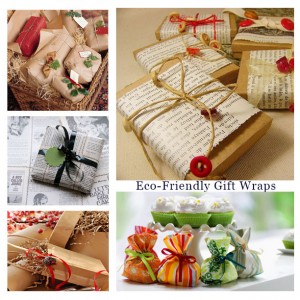
You can save money and prevent unnecessary wastage, and at the same time add a personal touch to the gifts that you give by using reusable gift bags and eco-friendly gift wraps. Perfect for any gift size or season, these bags will surely inspire more fun and creative ideas for gift wrapping.
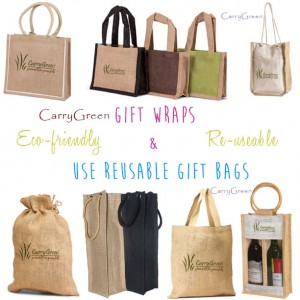
During the holiday season four million tons of gift wrapping papers are wasted in just a single year. Considering disposable and light weight gift wraps, that is a staggering amount of gift wraps ending in rubbish piles every year. People spend at least three hours in wrapping gifts just for holidays every year, not including baby showers, weddings and birthday etc. Using flexible and reusable gift wraps, it is
-
Posted: December 15, 2014Read more »
There is a vast variety of different kinds of gift wraps available to wrap everything, from large holiday and birthday gifts to small friendship tokens. However if you think about it, while it is a good idea to give gifts in an attractive manner, commercially manufactured gift wraps are a serious waste of energy. If you look at the energy required to manufacture the paper, the packaging and inks used in addition to the energy consumed to transport the gift wraps from its manufacturing place to place of sale and consider the small lifespan of a gift wrapping paper, it will be difficult to drawn any conclusion other than the fact that it is a complete waste of energy.
-
Posted: December 10, 2014Read more »
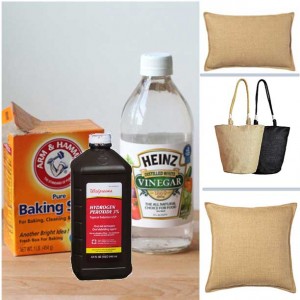
Jute Hessian or burlap is one of the cheapest, affordable and the toughest of all natural fibers and considered as the fiber of the next generation. One hectare of Jute plants consumes over 15 tons of CO2, several times higher than trees. Popularly known as golden fiber, Jute is second only to cotton in world's production of textile fibers. It is one of the most versatile, durable natural fibers that are extremely sturdy, strong and has the life expectancy of over a thousand plastic carrier bags. When discarded, jute totally decomposes giving back all its valuable nutrients into the soil
Jute fabric though toughest has a natural look and can easily be spoiled w
-
Read more »
Jute rugs are extensively sold all over the world because of a combination of impressive appearance and durability. Made of natural fiber and chemical free, these rugs add credit to its popularity as well. Jute fibers are naturally anti-static and have moisture regulating and insulating properties. These rugs have a luxurious texture and are very soft as compared to other types of area rugs. They are not exactly hard wearing and hence can be used on low foot traffic areas or bedroom floor where a soft feel to the foot is needed. However, jute can also be woven in complex patterns in order to create bold and sturdily textured rug that can endure high foot traffic.
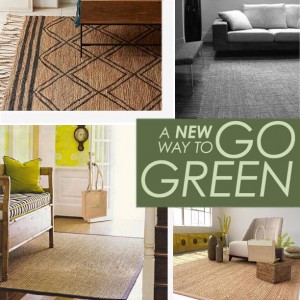
Like most of the other area rugs, jute rugs too get stained
-
Posted: October 15, 2014Read more »
It is said that if every consumer on a daily basis, starts to knowingly link their purchase to the consumption of limited resources of Earth, and takes responsibility of their own consumption of resources, we might be able to live as a supportable society.
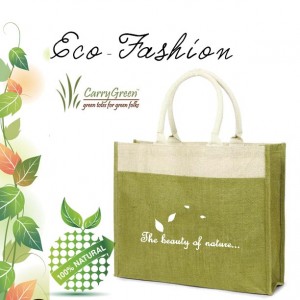
Eco-fashion or alternate fashion is a part of the fashion world. Eco-fashion is a part of a larger trend where the product is manufactured and produced keeping in mind the social and environmental impact it might have all through its life cycle. This impact would be in terms of no child labor, lesser carbon footprint
-
Posted: October 08, 2014Read more »
Halloween is one of almost everybody’s favorite holidays, but unfortunately, the normal celebrations are usually not to my liking. For example, almost all things associated with Halloween are either synthetic, single-serving, or disposable. Eeks! Unnecessary waste is a lot more alarming than goblins or ghosts.
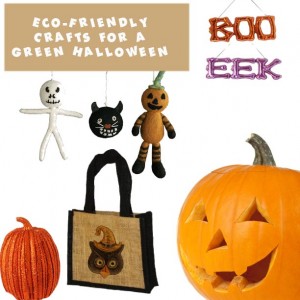
Environmentally friendly crafts for Halloween are important for the environment – they can reduce the problem of holiday wastage and provide excellent items to celebrate Halloween for


