
Tips
-
Posted: September 21, 2015Read more »
Putting on an extra layer of clothing can mean that you take a little longer to turn the heat on, or that you leave the heat on at a lower thermostat temperature. Every tiny bit that you can avoid cranking the heat saves you fuel usage, which isn't just good for the planet, it's also good for your pocketbook.

Eating what's in season instead of supporting fuel-wasting and non-environmentally friendly importations of non-seasonal produce can have a huge impact on the planet. Agriculture is one of the most planet-destroying activities around in its current scale.
Before winter hits, take time in the fall to check your window, door, basement and attic insulation.
-
Posted: July 07, 2015Read more »
A few years ago, what might have been considered a fad, is now a well-established trend in the fashion industry. Bamboo, jute, vegan leather, even candy wrappers and rice sacks are being turned into functional, fashionable handbags. These bags are chic and smart at the same time. Jute is a natural sustainable fiber spun into coarse, strong threads. Handbags have always been a necessary accessory. Whether out on the town or running errands with the kids, handbags complete the outfit and, at the same time, keep you organized. Designers are now successfully combining the function of handbags with environmentally friendly materials to create accessories that are not only smart but sexy. After recycling the same tired trends over and over, the fashion industry is now exploding with creative ways to use recycled materials. From high end creations to the fun and funky, this is no longer a fad. Eco friendly fashions are here to stay, and it goes beyond just handbags.
-
Posted: June 29, 2015Categories: TipsRead more »
Kenaf is still not a household name. Recycling is king but not kenaf, nor any of the other plant fiber alternatives to wood pulping for that matter. We recycle, but we pay very little attention to finding the ultimate alternative to using trees for making paper products. There has been very little progress in telling the world about this crop and its myriad uses. And that is a real shame because the benefits derived from growing, distributing and making paper products out of kenaf are so obvious that even consumers who are not researchers or specialists cannot dispute them. Nowadays, there is an even greater urgency to find the best possible solutions to our ever-worsening environmental situation. Just as alternatives to fossil fuels are being aggressively researched, alternatives to wood pulping for paper products must also be pursued with equal commitment. Raising awareness, governmental support, and funding that
-
Posted: June 25, 2015Categories: TipsRead more »
Many people are shockingly still not aware that wood and wood products come from living forests. From the cutting of huge tracts of forests to the poisoning of the rivers and streams with chlorine and dioxin run-off from paper mills, making paper from wood just does not make a lot of sense, especially in this day and age. If people were aware that they could have a high quality paper product that would not become brittle or yellow with age, that could be made cheaply and would do less harm to the environment, real changes might begin to rumble through the papermaking industry. The word needs to be spread. The idea has to take hold. People need to be educated first, and then encouraged to act on their knowledge and convictions.
-
Posted: June 22, 2015Read more »
Non-wood plant fibers have been used to make paper for centuries. Nowadays jute, kenaf and other similar fibers are cultivated in Southeast Asia and the Far East. Kenaf is one of the allied fibers of jute and shows similar
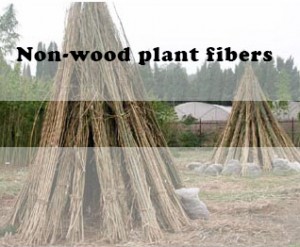 22characteristics. Kenaf was long used for pulp production in Bengal and came to the attention of the West probably in the late nineteenth century when it was noted as a strong fiber, that was superior in strength to even the paper from which the Bank of England notes were made. The kenaf plant has been selected from 500 other plants as the most promising non-wood fiber alternative for the manufacture
 -
Posted: May 11, 2015Read more »
Coffee is a stimulating beverage of choice, which is why there is a huge demand for appropriate coffee bags to hold the coffee in and also make sure that it is preserved in the right condition. Coffee bags made of burlap are great hit with transporters and coffee producers. These bags come in various sizes and shapes, as per the convenience of those who know what kinds of coffee bags they need. These bags are made of jute and a mix of other materials which makes the bags recyclable as well. One can use these bags a number of time thus encouraging resource preservation. This makes immense sense in a world where environmental protection and global warming are of the prime concern. Burlap coffee bags can be a big business opportunity given the fact that coffee is such a popular drink all around the world.
-
Read more »
Cleaning up grime and dust can be an icky business. In our hurriedness to get the muck out, we repeatedly make use of paper towels and various other cleaning tools for single use purpose. Although these items are more handy and easy to use, they are awfully pernicious, especially when a more eco-friendly solution can easily be used. Instead of using paper towels to wipe windows and mirrors, use scrunched up newspapers. Sew up a few reusable covers for the Swiffer, turn old socks into handy dusters, and cut up old towels to use as cleaning rags. Sponges are good for use as a reusable cleaning tool, but after sometime they become breeding ground for bacteria. You can sanitize them by washing thoroughly and then soaking them in heavily salted cold water for a couple of hours. You can also place the sponges in your microwave to kill germs or run them through the dishwasher’s sanitize cycle along with the dishes.
-
Posted: May 04, 2015Read more »
Plastic bags are polluting the oceans and littering our land. Single use shopping bags made of plastic are a popular target for the green movement. You can help the environment by using reusable shopping bags, provided you remember to bring them every time you go to the supermarket
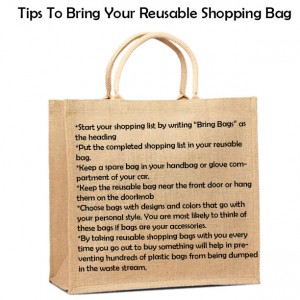
Below are some tips to help you remember to get your reusable shopping bag –
Start your shopping list by writing “Bring Bags” as the heading
-
Read more »
Summer is truly a great time to enjoy the warm weather, have fun in the sun with family and friends. But summer could also be brutal if you do not follow some simple tips to stay fit and active. Here are some useful tips to stay healthy in summer.
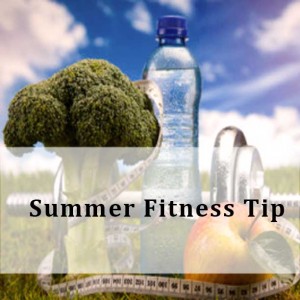
Hydrate yourself: Drink plenty of water to keep yourself hydrated in summer. Avoid caffeinated drink and sugary fruit juice. You can jazz up your water with a slice of lemon or lime. Carry a reusable glass water bottle wherever you go.
Dress naturally: Wear minimum amount of clothing is summer to stay cool. Put on cotton outfits whenever you can. Cotton is a natural ecofriendly fabric which facilitates cooling
-
Posted: April 10, 2015Read more »
Several apartment complexes are nowadays taking initiatives to reduce their carbon footprint. The most common way to do this is by a recycling program. The rents in such complexes may be higher since the complex management pays for curbside service. Before finalizing on an apartment, be sure to inquire from the landlord about the building recycling. You should follow best practices and only recycle acceptable items. Make a list of items that qualify for recycling and put it up on the refrigerator so that you can check before chucking.

Currently, the global community


